
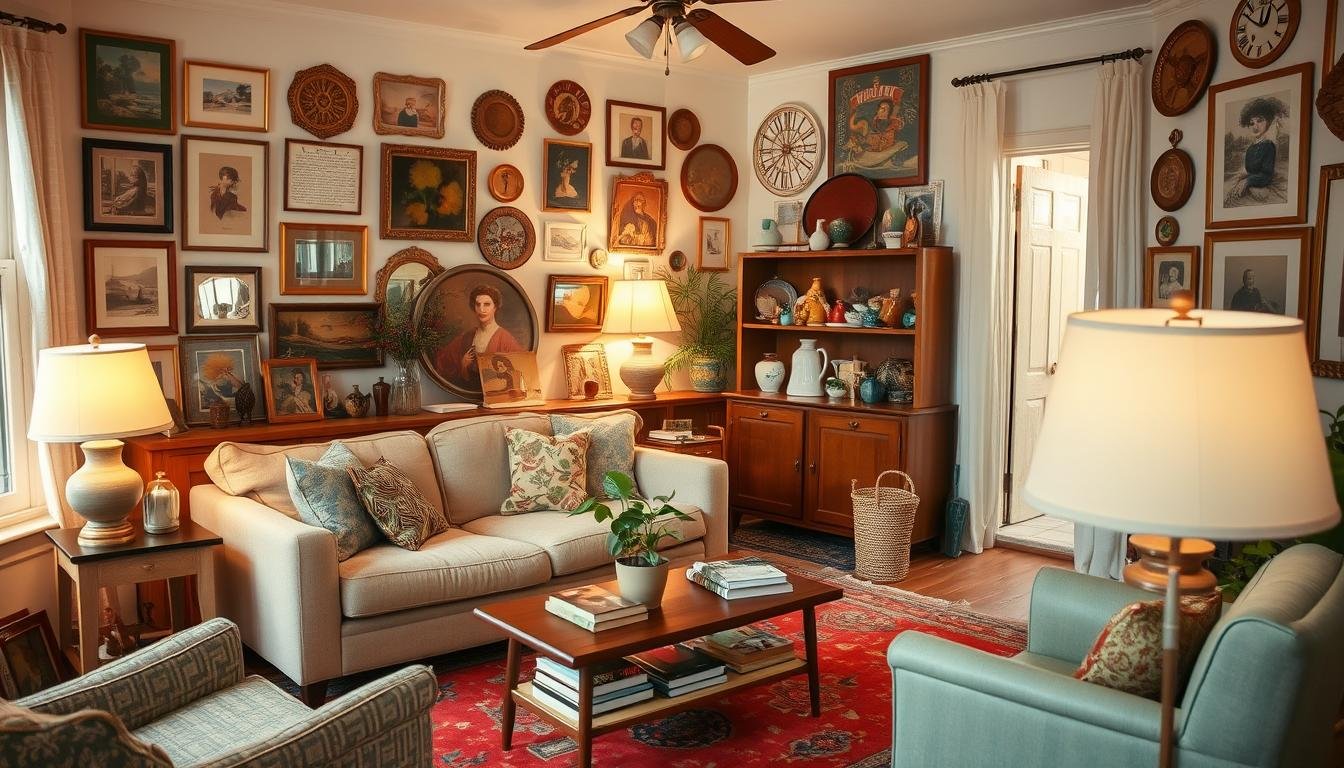

Did you know the average American throws away about 4.4 pounds of trash daily? This shows how important it is to live sustainably. One great way to do this is by using secondhand decor in your home.
Choosing eco-friendly decorating not only breathes new life into old items but also helps the planet. Thrift shopping is an art that lets you make your home stylish while being eco-friendly.
Using secondhand decor is a big step towards living more sustainably. It’s about finding special pieces that have a story and make your home unique. With a bit of creativity, you can thrift like a pro and make a beautiful, green space.
Key Takeaways
- Embracing secondhand decor reduces waste and supports sustainable living.
- Eco-friendly decorating options contribute to a more sustainable home.
- Thrift shopping allows you to create a unique and stylish home.
- Secondhand decor adds character and tells a story.
- Creativity is key to thrift shopping like a pro.
The Sustainable Appeal of Secondhand Home Decor
Choosing pre-loved items for your home decor is a sustainable choice with many benefits. It reduces waste and supports a circular economy.
Environmental Benefits of Choosing Pre-Loved Items
Secondhand shopping has big environmental perks. It cuts down on new product demand, lowering waste and carbon emissions. Eco-friendly home decor is more than a trend; it’s a choice for a greener life.
Economic Advantages of Thrifting for Your Home
Thrifting for home decor also brings big economic benefits. You can find quality, unique items for less than new ones. This way, you save money and get pieces with character and history.
Thrift Like a Pro: Creating a Sustainable, Stylish Home with Secondhand Decor
Thrifting is more than finding cheap decor. It’s about finding unique pieces with stories. Choosing secondhand items reduces waste and adds history and character to your home.
The Unique Character and Story Behind Each Piece
Every secondhand item has a story. From the hands that made it to the homes it’s been in, it’s rich with history. This secondhand decor character brings depth to your home that new items can’t.
“The most exciting thing about thrifting is the hunt for that perfect piece that speaks to you.” – A seasoned thrifter.
Building a Home That Reflects Your Personality
Using secondhand items to decorate your home lets you show off your style. Whether it’s a vintage armchair or a quirky item, each piece tells a part of your home’s story.
Finding Items That Speak to Your Aesthetic
To create a cohesive look, find items that match your style. Here are some thrift shopping tips:
- Start with a clear idea of the style you’re aiming for.
- Be patient and keep an open mind.
- Consider the potential for upcycling or repurposing.
By using these tips, you can make a unique home decor that tells your story and supports a sustainable lifestyle.
| Item | Original Price | Thrift Store Price | Potential Upcycled Value |
|---|---|---|---|
| Vintage Lamp | $100 | $20 | $80 (after refinishing) |
| Antique Chair | $500 | $120 | $300 (after reupholstering) |
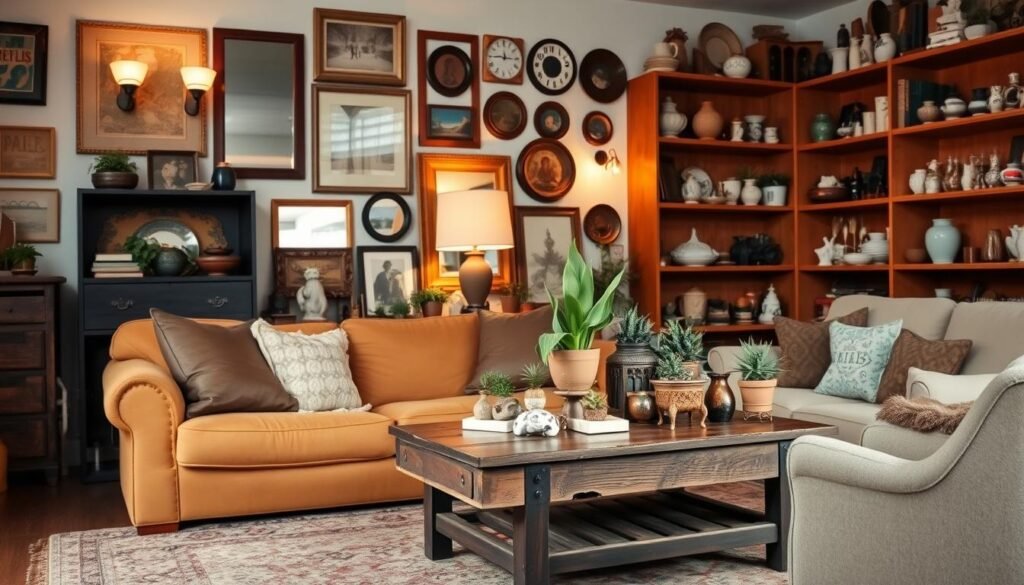
Getting Started: Essential Tools for Successful Thrifting
To do well in thrifting, you need the right tools and knowledge. Whether you’re new or experienced, the right tools can help you find great items for your home.
Must-Have Apps and Websites for Finding Treasures
In today’s world, many apps and websites can help you thrift. Some top picks include:
- Thrift Store Locator Apps: Apps like Thrift Store Locator help you find thrift stores near you. This makes it easier to find new places to shop.
- Online Marketplaces: Websites like eBay, Craigslist, and Facebook Marketplace are great for secondhand items. Just be careful when buying online.
Physical Tools to Bring on Your Thrifting Adventures
While digital tools are useful, physical tools can also improve your thrifting experience.
Measurements and Reference Photos
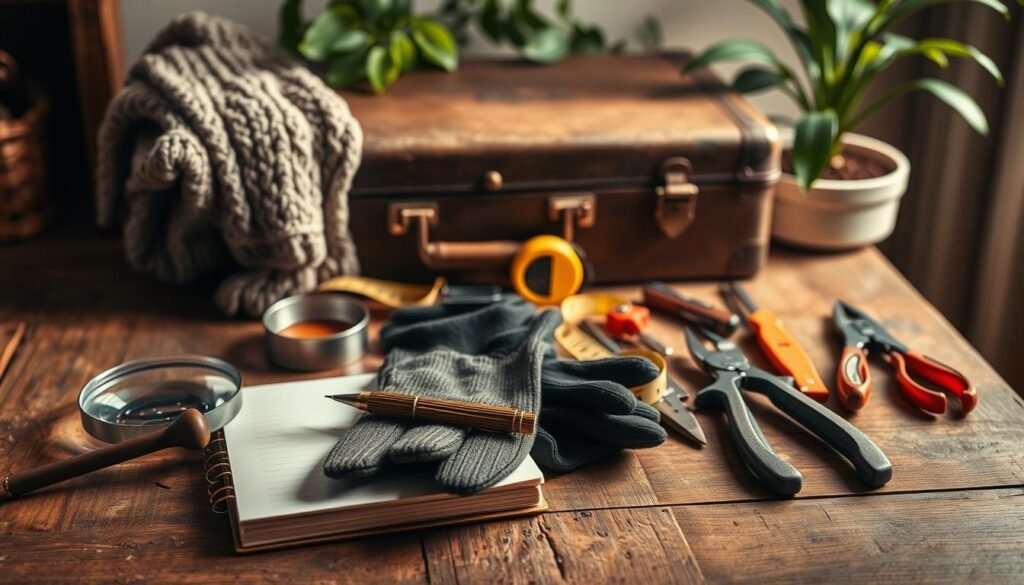
Carrying a tape measure and photos of your space can help. They ensure items fit and match your decor.
Quality Assessment Tools
A small toolkit with a screwdriver, pliers, and a magnifying glass is handy. It helps you check the quality and condition of items.
| Tool | Purpose |
|---|---|
| Tape Measure | Measure items to ensure they fit in your space |
| Reference Photos | Compare items to your existing decor |
| Screwdriver and Pliers | Assess the quality and condition of items |
| Magnifying Glass | Inspect items for defects or needed repairs |
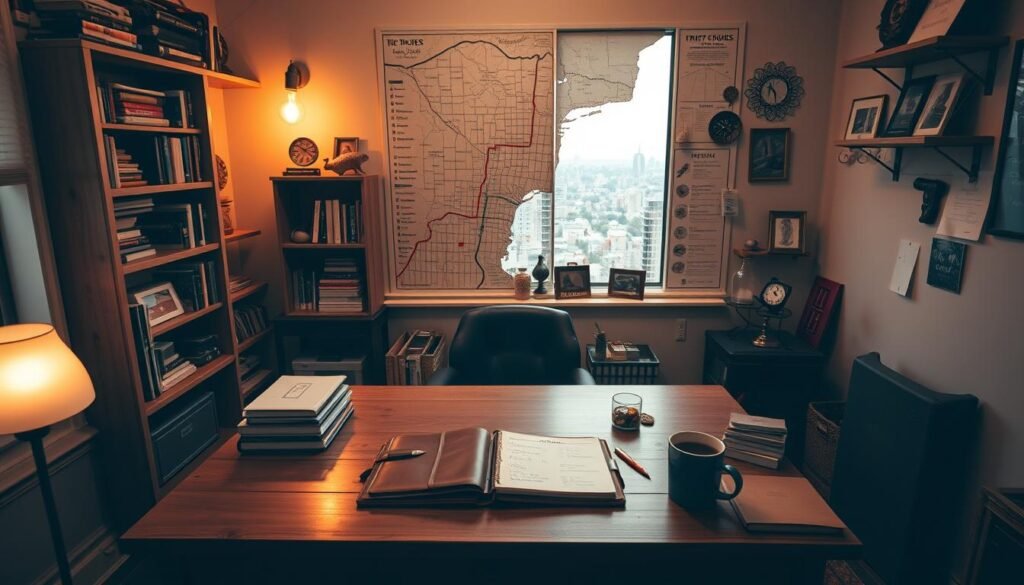
Mapping Your Thrifting Journey: Creating a Plan
Starting a thrifting journey without a plan can feel overwhelming. But with a clear strategy, you can reach your home decor goals. A good thrifting plan involves several steps to keep you focused and make your second-hand shopping fun and productive.
Identifying Your Home’s Needs and Style Goals
First, take stock of your home and what it needs. Make a list of missing items and rooms that need work. Think about your style and the look you want. Do you prefer vintage, modern, or something eclectic? Knowing your style helps you find the right thrift stores.
Setting a Realistic Budget for Secondhand Shopping
Setting a budget is key for thrifting success. Decide how much you can spend on second-hand items each month. Remember to include costs for fixing or repurposing items. A budget helps you avoid buying too much and find the best deals.
Creating a Priority List of Items to Find
With your needs and budget in mind, make a list of items to find. List the most important items for your home decor first. This list keeps you focused and ensures you find the most crucial items.
| Item | Priority Level | Budget Allocation |
|---|---|---|
| Vintage Sofa | High | $200 |
| Antique Coffee Table | Medium | $100 |
| Unique Lamp | Low | $50 |
By following these steps and making a detailed thrifting plan, you’re on your way to decorating your home with unique, second-hand items. These items will reflect your style and fit your budget.
Where to Find the Best Secondhand Home Decor
Looking for the best secondhand home decor? You’ve got a world of options. From thrift stores to online marketplaces, there’s something for everyone. You can find unique and stylish pieces to make your home stand out.
Traditional Thrift Stores and Their Specialties
Goodwill and Salvation Army are key spots for thrifters. They have everything from vintage furniture to antique kitchenware. Keep an eye out for special sections with high-quality or unique items.
Estate Sales and Auctions: What to Expect
Estate sales and auctions are gold mines for secondhand decor. They offer a mix of vintage and antique pieces. But, be quick, as popular items sell fast.
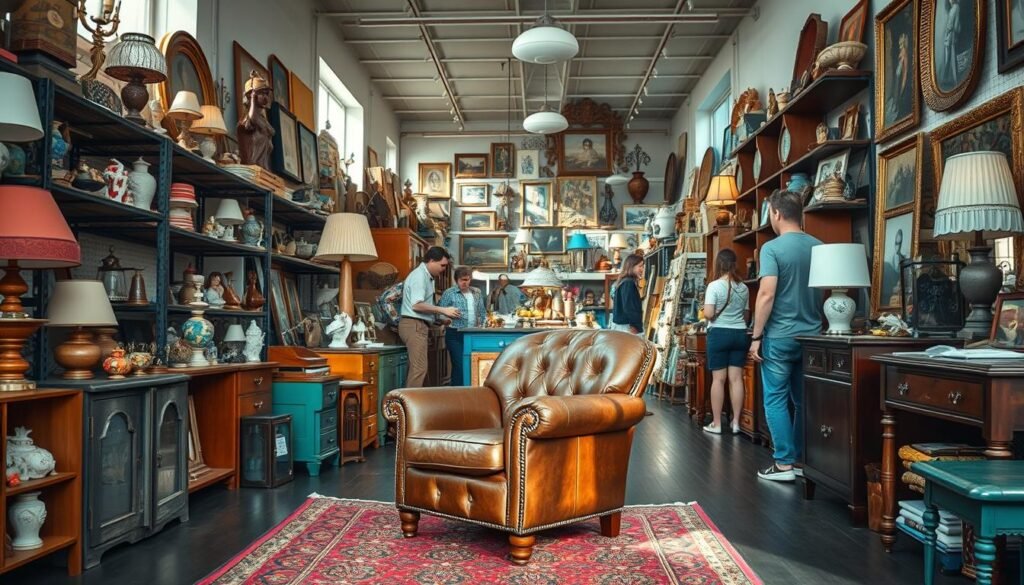
Online Marketplaces Worth Exploring
Online platforms like eBay, Craigslist, and Facebook Marketplace are great for finding secondhand decor. Use specific keywords to find what you’re looking for. Always read reviews and check seller ratings.
Beyond the Obvious: Unexpected Places to Score Great Finds
Don’t miss out on garage sales, flea markets, and local classifieds. Sometimes, the best finds come from the least expected places.
| Source | Pros | Cons |
|---|---|---|
| Thrift Stores | Wide selection, affordable | Quality varies |
| Estate Sales | Unique, high-quality items | Competitive, fast-paced |
| Online Marketplaces | Convenient, wide selection | Quality varies, shipping costs |
As thrifting expert Laura Smith said, “Thrifting is not just about finding bargains. It’s about finding hidden gems that will make your home decor shine.”
Timing Your Thrift Shopping for Maximum Success
Learning when to go thrift shopping can really help you find great deals. Knowing the best times to visit can make a big difference. You’ll find better quality and more items.
Best Days and Seasons for Thrifting
The best days to thrift often depend on when stores get new stock. Mondays and Tuesdays are usually good because stores get new items then. Also, shopping in mid-January to mid-March can be better because fewer people are out.
How to Catch New Arrivals Before Others
To be one of the first to see new items, call the store to ask when they get new stock. Some stores send out newsletters or post on social media about new items. Shopping right when new items arrive can give you an advantage.
Building Relationships with Store Employees
Talking to store employees can give you tips on sales, hidden items, and the best times to shop. They can tell you what to look for and when. Being friendly and respectful can help you build a good relationship with them.
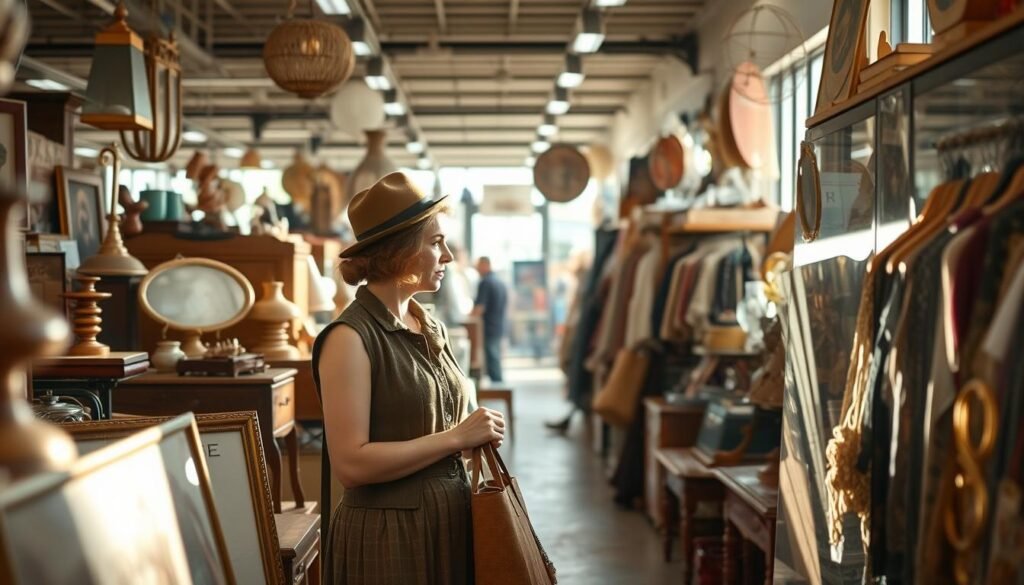
Evaluating Quality: What to Look For and What to Avoid
To make sure your thrifted items last long, it’s key to know how to check their quality. Looking at the durability and craftsmanship of secondhand furniture and decor can help avoid expensive fixes and disappointments.
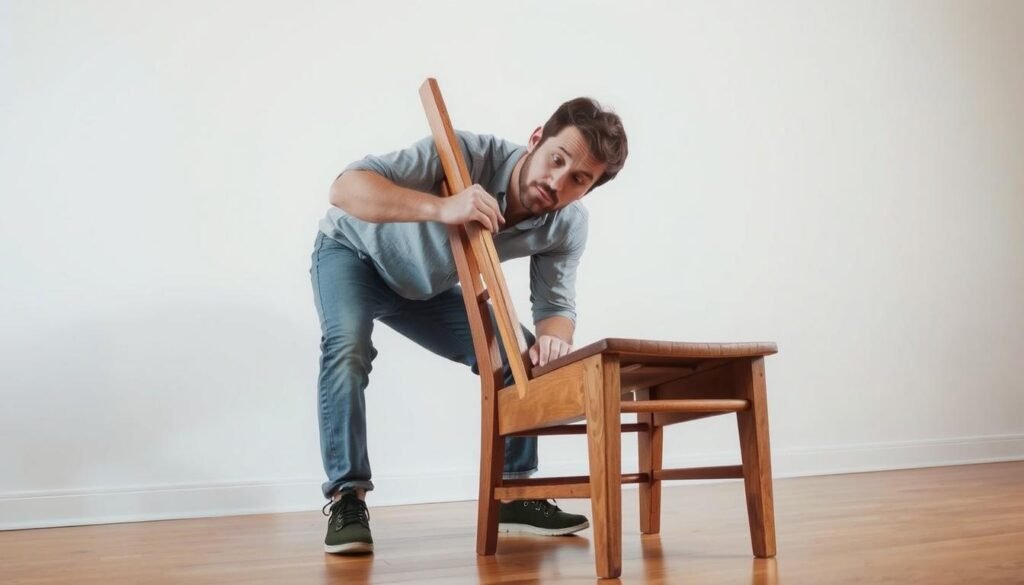
Identifying Well-Made Furniture
When checking furniture, look for signs of strong build. Solid wood is better than engineered wood or particleboard. Make sure joints are tight and reinforced with nails, screws, or dowels.
Wood Furniture Quality Indicators
- Check for smooth finishes and even staining.
- Inspect the legs and joints for any signs of weakness.
- Look for any repairs or reinforcements.
Upholstered Piece Assessment
For upholstered furniture, check the fabric for stains, tears, and wear. Make sure the cushioning is firm and the frame is sturdy. A well-made upholstered piece can be reupholstered, but a weak frame may be beyond repair.
Examining Textiles and Soft Goods
When looking at textiles, think about the material, weave, and condition. Natural fibers like cotton, linen, and silk last longer than synthetic ones. Watch for fraying or discoloration.
Red Flags That Signal Poor Quality or Difficult Restoration
Be careful of items with big damage, like deep scratches, water stains, or structural issues. Some damage can be fixed, but big restoration can be expensive and take a lot of time. Think if the item’s flaws can be fixed.
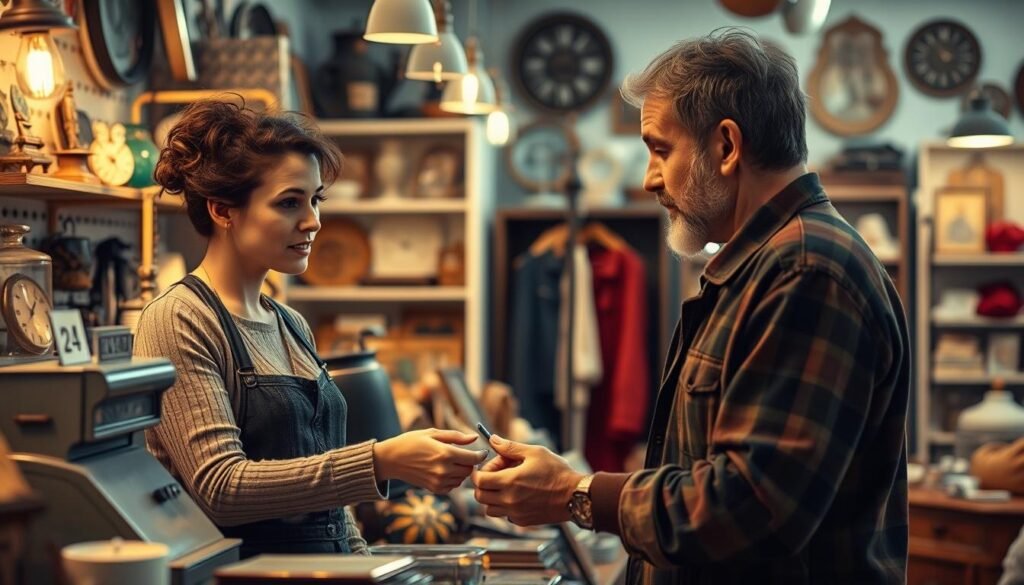
The Art of Haggling: Negotiating Prices Like a Pro
Learning to haggle can greatly improve your thrifting experience. It can save you money and make shopping more fun.
Respectful Bargaining Techniques That Work
Being polite and respectful is key when haggling. First, find out what the item is worth. Then, make a fair offer confidently but kindly. Remember, you can always leave if the deal isn’t good enough.
When to Walk Away from a Deal
Knowing when to leave is important. If the seller won’t lower the price, it’s time to look elsewhere. Don’t get too attached to one item. There are many other great finds out there.
Bundling Items for Better Value
Buying more than one item can often lead to a better deal. Sellers might give you a discount for buying several things. So, don’t hesitate to ask.
| Haggling Tip | Description |
|---|---|
| Research the item’s value | Know the market value to make an informed offer |
| Be respectful and polite | Build a rapport with the seller to get a better deal |
| Bundle items | Ask for a discount when purchasing multiple items |
By using these haggling tips, you’ll become a pro at finding great deals on secondhand items.
Cleaning and Restoring Your Secondhand Treasures
To make secondhand decor sparkle, learning the basics of restoration is key. Cleaning and restoring items not only makes them look better but also makes them last longer. As Margaret T. Ordonez, an interior designer, once said, “The art of restoration is not just about fixing what’s broken, but about revealing the beauty that’s hidden.”
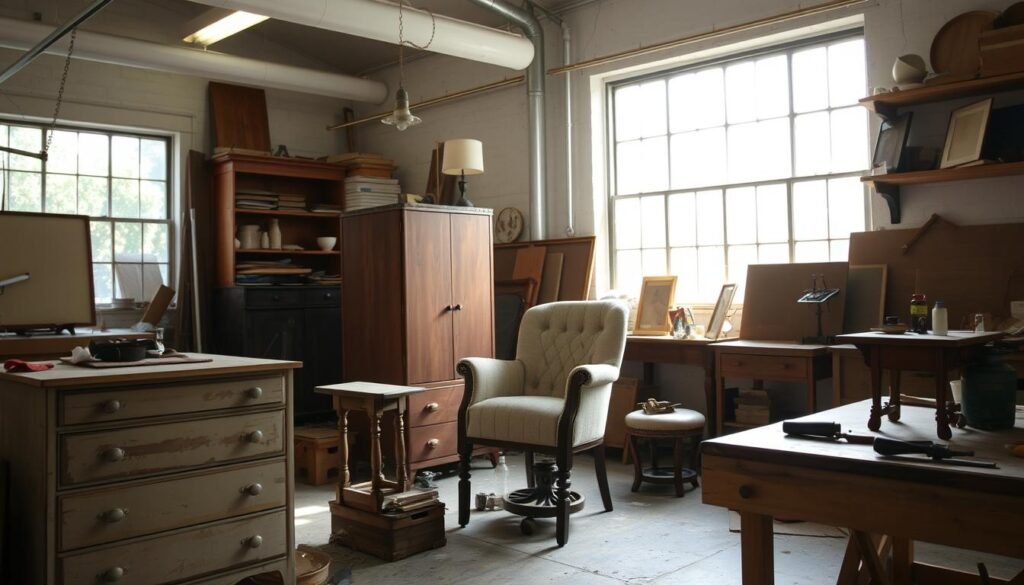
Essential Cleaning Supplies for Different Materials
Different materials need different cleaning supplies to avoid damage. For example, delicate surfaces need gentle cleaners, while strong materials can handle stronger products. You’ll need:
- Mild soap and water for general cleaning
- Specialized cleaners for wood, metal, and glass
- Soft cloths and sponges to prevent scratching
Step-by-Step Restoration Processes for Common Items
Restoring common thrifted items is simple. Here are some examples:
Wood Furniture Restoration Basics
Wood furniture often needs sanding to remove old finishes and apply new stain or sealant. First, check the wood type and condition. Then, sand gently and finish.
Upholstery Cleaning and Repair
Start with upholstered items by vacuuming to remove dirt and debris. Clean stains with the right cleaners. If the fabric is too damaged, consider reupholstering.
Metal and Glass Item Restoration
Metal items may need polishing to remove tarnish. Glass items can be cleaned with vinegar and water or specialized cleaners. Always dry them well to avoid water spots.
“The key to successful restoration is patience and attention to detail.” –
When to DIY and When to Hire a Professional
Many restoration tasks can be done yourself, but some need a pro. Think about the project’s complexity and your skills. For complex or valuable items, hiring a professional is best.
By following these tips, you can bring your secondhand treasures back to life. They’ll become beautiful and useful parts of your home.
Upcycling Basics: Transforming Ordinary Finds into Statement Pieces
Upcycling is a creative way to breathe new life into old items. It turns them into unique pieces for your home. This method not only cuts down on waste but also lets you add your personal touch to your decor.
Simple DIY Techniques Anyone Can Master
Upcycling is fun because it doesn’t need a lot of DIY skills. Simple steps like painting and refinishing can change a piece completely.
Painting and Refinishing Techniques
A new coat of paint or a refinished surface can make a big difference. Try using eco-friendly paints or natural waxes to keep your project green.
Hardware Updates That Transform Pieces
Changing the hardware on furniture, like swapping old knobs for new ones, can really improve its look.
Tools and Materials for Successful Upcycling Projects
Having the right tools and materials is key. You’ll need sandpaper, paint, brushes, and hardware. The tools you need will depend on your project.
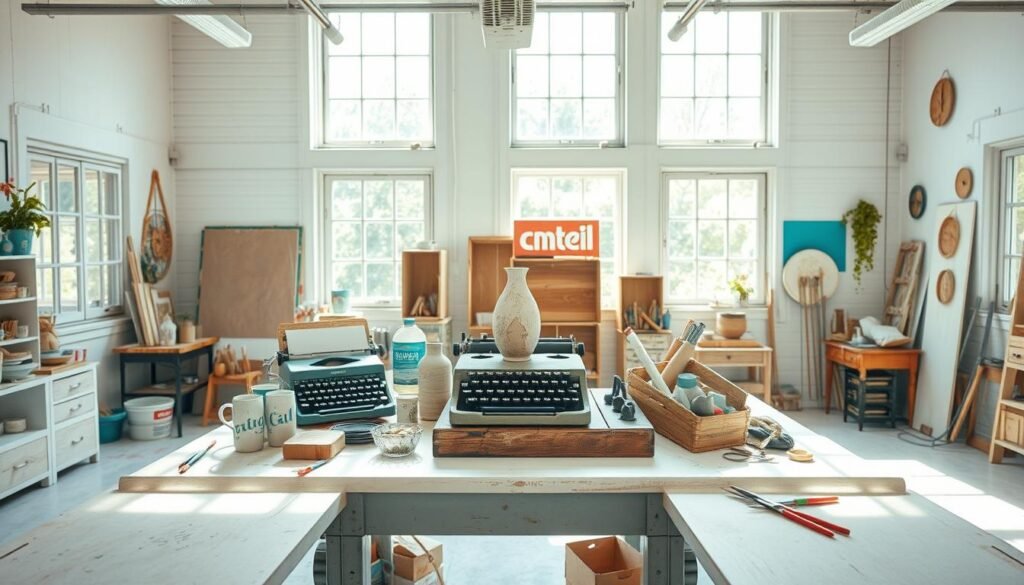
Before and After: Visualizing Potential
Before you start an upcycling project, think about what it could become. Look for ideas online or sketch out your vision to help guide you.
By learning these upcycling basics, you can turn old items into amazing pieces. These pieces will add character and personality to your home.
Styling Secondhand Furniture in Modern Spaces
Mixing old and new furniture is all about finding a balance. It shows off your personal style. When done right, it brings character and depth to your modern space.
Creating Cohesion Between Old and New
Start by finding a common thread among your furniture. This could be a shared color or texture. For example, reupholstering a vintage armchair with modern fabric can link old and new.
Balancing Statement Pieces with Subtle Accents
A bold, secondhand piece can stand out in your space. But, balance it with simple accents to avoid too much. For instance, pair a vintage sofa with minimalist coffee tables and simple lighting.
Using Color Theory to Unite Diverse Items
Color theory is key to uniting different furniture. Pick a main color and use its shades across items. This makes your space feel connected, even with pieces from different times.
Mixing Design Eras Successfully
Mixing design eras can be tricky but rewarding. Start with a main era and add pieces from others. For example, a mid-century modern sofa can look great with Art Deco accents.
| Design Era | Key Features | How to Incorporate |
|---|---|---|
| Mid-Century Modern | Clean lines, organic shapes | Pair with vintage decor |
| Art Deco | Geometric patterns, metallic accents | Use as accent pieces |
| Industrial | Exposed metal, reclaimed wood | Mix with modern furniture |
By following these tips, you can make secondhand furniture work in modern spaces. It’s a stylish and eco-friendly way to decorate.
Room-by-Room Guide to Thrifted Decor
Using a room-by-room approach to thrifted decor makes your home stylish and cohesive. Focus on one room at a time. This way, you can pick second-hand items that fit your style and meet each space’s needs.
Living Room: Creating Conversation Areas with Character
The living room is the heart of the home, where everyone gathers. To make it welcoming, find thrifted furniture that anchors conversation areas.
Statement Furniture Pieces Worth Hunting For
Look for vintage armchairs or a retro sofa to reupholster. These unique pieces can be the living room’s centerpiece, sparking conversations and adding character.
Thrift stores also have great accent items like vintage lamps, unique vases, or antique decorative objects. These items add layers of interest and personality, making your living room feel curated and inviting.
Bedroom: Crafting a Peaceful Retreat with Vintage Charm
The bedroom should be a sanctuary, a place to relax. Thrifted decor can make it peaceful with vintage charm and character.
Find antique or vintage bedroom furniture, like a distressed wood dresser or a vintage headboard. Soft, vintage textiles like lace or embroidered linens also enhance the cozy atmosphere.
Kitchen and Dining: Functional Yet Stylish Secondhand Solutions
The kitchen and dining areas need both function and style. Thrifted items can offer unique solutions that are practical and stylish.
In the kitchen, look for thrifted cookware, vintage utensils, or antique dinnerware for a nostalgic touch. In the dining area, a vintage dining table or chairs can be a focal point, especially with modern linens and decor.
Home Office: Productive Spaces with Personality
Creating a productive and inspiring home office is key with more people working from home. Thrifted decor can make a space that’s both functional and personal.
Find vintage desks, ergonomic chairs, or unique storage solutions for an efficient workspace. Adding vintage decorative items or artwork personalizes the space, making it more enjoyable to work in.
Curating Collections: Displaying Thrifted Treasures Effectively
Curating your thrifted treasures is an art that needs careful thought. It can make your home decor better and highlight your secondhand finds.
Principles of Arrangement for Visual Impact
To get a visual impact, follow some key principles. Start by grouping similar items, like vintage vases or antique objects. Balance is key; mix different sizes and textures. For example, put a tall vase next to a short box for contrast.
Avoiding the “Cluttered” Look with Intentional Grouping
Intentional grouping helps avoid clutter. Instead of spreading items around, group them in odd numbers. This brings harmony and flow. Restraint is also important; don’t fill shelves too much. Leave space for a clean look.
Creating Focal Points with Thrifted Art and Objects
Thrifted art and objects can be stunning focal points. Choose a standout piece, like a vintage painting, and put it where it’s seen. Highlight your piece with good lighting and balance it with decor. For instance, a vintage mirror above a console table with smaller items around it.
By using these tips, you can make a beautiful display of your thrifted treasures. It will add character and style to your home.
Building Confidence: From Novice to Expert Thrifter
Starting out in thrifting can feel exciting but also a bit scary. But, with practice, you’ll get better at finding great deals. Thrifting is a skill that grows with time and effort.
Overcoming “Thrift Store Overwhelm”
Thrift stores can be overwhelming with so many items. To deal with this, focus on specific categories or items you want. Make a list and stick to it. This makes shopping easier and less overwhelming.
Training Your Eye to Spot Hidden Gems
Learning to spot valuable items takes time. Look for quality materials, craftsmanship, and design. By visiting thrift stores often and comparing items, you’ll get better at finding hidden gems. Here are some tips:
- Inspect items carefully for damage or needed repairs.
- Research popular brands and styles to recognize valuable items.
- Don’t overlook items that need restoration; they can be hidden gems.
Learning from Mistakes and Refining Your Approach
Mistakes are part of the thrifting journey. The important thing is to learn from these experiences. Keep track of your purchases, noting what worked and what didn’t. This helps you improve your thrifting skills over time.
Common Thrifting Mistakes and How to Avoid Them
Thrifting can be fun, but knowing common mistakes helps. These errors can make your shopping better. You’ll make choices that fit your needs and style.
Impulse Purchases: When to Say No
Impulse buys are a big mistake in thrifting. Before buying, think if you really need it. Check if it matches your home’s look and if it’s worth it.
Overlooking Hidden Potential in “Ugly” Items
Don’t skip items that look bad at first. They might be great after some work. Think about how you can make them special again.
Ignoring Structural Issues That Can’t Be Fixed
Check for damage that can’t be fixed. Cosmetic fixes are okay, but big problems are not. Be careful of items with serious damage.
Buying Without Measuring Your Space
Always measure your space before buying. Not doing this can lead to problems. Make sure you have the right measurements before you buy.
Maintaining and Caring for Secondhand Decor Long-Term
Enjoying your secondhand decor for years means taking good care of it. Simple practices can keep your thrifted items looking great for a long time.
Preserving the Value of Vintage and Antique Items
Handling vintage and antique pieces with care is key. Keep them out of direct sunlight and extreme temperatures. A soft cloth for dusting can prevent damage.
Seasonal Care Routines for Different Materials
Each material needs its own care. Wooden furniture might need polish, while fabrics might need gentle washing or dry cleaning. Creating a seasonal care routine is important for your secondhand decor.
| Material | Care Routine |
|---|---|
| Wood | Polish seasonally |
| Textiles | Gentle wash or dry clean |
Documentation and Provenance for Special Pieces
For valuable or historical items, keeping records is crucial. This includes receipts, certificates of authenticity, and any historical info.
Conclusion: Embracing the Thrifting Lifestyle for a Home with Soul
Adopting a thrifting lifestyle can turn your home into a unique and sustainable haven. By using secondhand decor, you’re not only reducing waste. You’re also adding character and history to your space.
Thrifting promotes sustainable living and lets you show off your personality. This article has given you the tools to shop secondhand with confidence. You’re ready to find unique pieces that reflect your style.
Remember, a home with soul is more than just finding deals. It’s about creating a space that tells your story. By mixing your style with secondhand decor, you’ll make a home that’s truly yours. It will show off your love for sustainable living and thrifting.


